
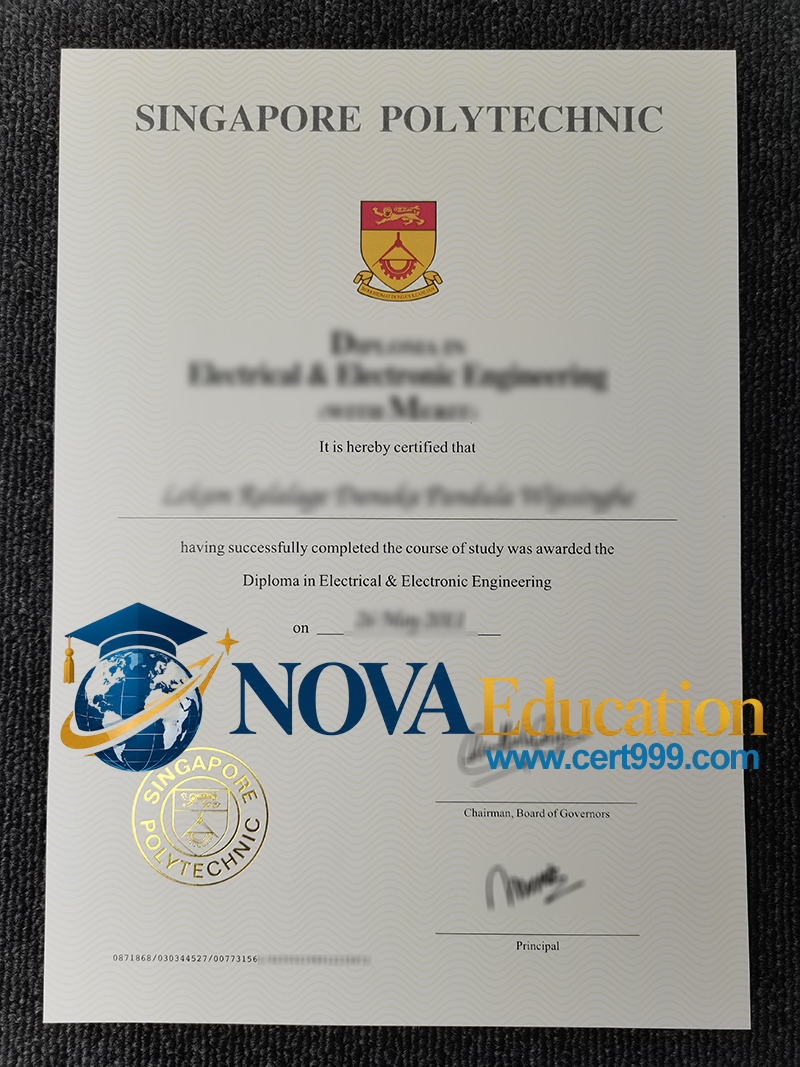
新加坡理工学院(Singapore Polytechnic):一所让技能“落地”的老牌理工学院
提到新加坡的理工学院,很多人会先想到“Poly”这个简称。而在五所政府理工学院中,新加坡理工学院(Singapore Polytechnic,简称SP)是历史最久的那一所。它不追求大而全的学术排名,而是把“学了就能用”这件事做到了极致。下面就从历史、特色专业和就读体验三个角度,把这所学校说清楚。
一、历史:从1954年走来,为新加坡工业化“供血”
新加坡理工学院成立于1954年,是新加坡第一所由政府设立的理工学院。它的诞生背景很实在:当时的新加坡急需技术人才来推动经济发展。1959年,SP在爱德华王子路正式开课时,新加坡还处在自治前夕,整个社会对工程、建筑、商业和海事通信方面的人才需求非常迫切。
值得一提的是,SP早年就展现出“不走寻常路”的气质。当时的学院主席杜进才博士没有照搬外国考试委员会的体系,而是让SP自己设计课程和文凭标准,直接对接新加坡本地的用人需求。这种务实的基因一直延续到今天。如今SP的校园位于道夫路,占地约38公顷,每年在读学生超过一万五千人,来自十多个国家。
二、特色专业:工程是底色,海事与视光才是“隐藏王牌”
SP设有多个学系,覆盖商科、设计、媒体、化学与生命科学、电机与电子工程、机械与制造工程、建筑环境以及海事等方向。其中,有几个方向在新加坡本地企业中的认可度尤其高。
海事类专业是SP的一张独特名片。新加坡本身就是全球航运枢纽,SP旗下的新加坡海事学院开设海事工程、航运工程和航海学等文凭课程,毕业生在航运公司和港口相关企业里很受欢迎。视光学也是SP的亮点之一,这个专业在新加坡理工学院中并不多见,培养的是验光与视力护理方面的实用人才,就业路径相当清晰。此外,航空工程和会计金融同样是热门选择,前者依托新加坡航空枢纽的地位,后者则因为商学系历史悠久、课程紧凑而受到本地雇主认可。
当然,SP的工程底色依然扎实。电机与电子工程、机械工程、生物医学工程等传统强项专业,配合校内较为先进的实训设施,让学生在校期间就能接触到真实的工作场景。换句话说,SP的文凭不是一张“理论证明”,更像是一份“上手能力说明书”。
三、就读体验:实用导向,出路直接
SP的学制为三年,课程设计偏向应用。课堂上讲的东西,往往在实验室或项目里马上就能用上。这种模式的好处很直接:毕业生进入职场后适应期短,用人单位也清楚SP的学生大概能做什么。对于想尽快就业、或者希望以理工学院文凭为跳板再升读大学的学生来说,SP提供了一个成本可控且方向明确的选择。
Singapore Polytechnic: A Long-Established Poly That Makes Skills Stick
When people mention “Poly” in Singapore, they usually mean one of the five government polytechnics. Among them, Singapore Polytechnic (SP) is the oldest. It does not chase university rankings. Instead, it focuses on one thing: making sure what students learn actually works on the job. Here is a plain-language look at its history, standout diplomas, and what studying there feels like.
1. History: Serving Singapore’s Industrial Push Since 1954
Singapore Polytechnic was established in 1954 as the first polytechnic set up by the Singapore government. The reason was practical: the economy needed technical workers, and it needed them fast. When SP opened its doors at Prince Edward Road in 1959, Singapore was on the eve of self-government, and there was urgent demand for people trained in engineering, architecture, commerce, and marine radio.
One detail stands out. SP’s early leaders chose not to follow foreign examination boards. Then-Chairman Dr Toh Chin Chye decided that SP would design its own curriculum and diplomas to match Singapore’s needs. That pragmatic streak never really left. Today, SP sits on a 38-hectare campus along Dover Road, with more than 15,000 students from over ten countries enrolled across its various schools.
2. Standout Programmes: Engineering Is the Base, but Marine and Optometry Are the Edge
SP offers diplomas across business, design, media, chemical and life sciences, electrical and electronic engineering, mechanical and manufacturing engineering, architecture and the built environment, and maritime studies. Among these, a few areas stand out for their strong standing with local employers.
Maritime programmes are a distinctive strength. Singapore is a global shipping hub, and SP’s Singapore Maritime Academy offers diplomas in marine engineering, naval architecture, and nautical studies. Graduates are well regarded by shipping firms and port-related companies. Optometry is another noteworthy offering—it is not commonly found among the polytechnics, and it leads to a fairly clear career path in eye care. Aeronautical engineering and accounting and finance are also popular choices: the former rides on Singapore’s status as an aviation hub, while the latter benefits from a long-established business school and a compact, employer-friendly curriculum.
Meanwhile, SP’s engineering core remains solid. Disciplines such as electrical and electronic engineering, mechanical engineering, and biomedical engineering pair classroom teaching with hands-on training facilities, so students encounter real working conditions before they graduate. Put simply, an SP diploma reads less like a theory certificate and more like a statement of what you can actually do.
3. Student Experience: Practical by Design, Direct in Outcome
SP diplomas take three years, and the teaching leans applied. What gets covered in a lecture often shows up in a lab or a project almost immediately. The upside is straightforward: graduates tend to adjust to workplaces quickly, and employers have a fairly clear idea of what an SP graduate brings. For students who want to enter the workforce soon, or who see a poly diploma as a cost-effective stepping stone toward a degree later, SP offers a focused and legible route.